A Parent’s Guide: How to Store Keepsakes Long-Term
24 / 08 / 26
Most parents end up with a box of things nobody else would understand the value of.
A single bootee, a hospital wristband, a shoebox of school reports, a trophy from a five-a-side tournament nobody remembers the score of.
By the time a second or third child comes along, that one box has usually multiplied into several, tucked into odd corners of the house with no real system behind them.
The question most parents eventually face isn’t whether to keep these things; it’s how to store keepsakes long-term without losing track of them, or losing the items themselves to damp, sunlight or a rushed house move.
Why Keepsakes Are Different from Everyday Clutter
Keepsakes don’t behave like the rest of the things that build up in a family home.
Their value has nothing to do with size, cost or usefulness. A worn first shoe or a handwritten birthday card can matter more than anything else in the house, while taking up almost no space at all.
That’s exactly what makes sorting them so difficult.
Deciding what to keep can feel loaded in a way that clearing out old towels or broken toys never does. The aim isn’t to keep everything a child has ever touched. It’s to work out which items truly mark a moment or a stage of childhood, and to look after those properly rather than letting them get lost among things that don’t carry the same weight.
Deciding What Actually Makes the Cut
A useful starting point is to ask whether an item marks something specific, or whether it’s simply one of many similar things.
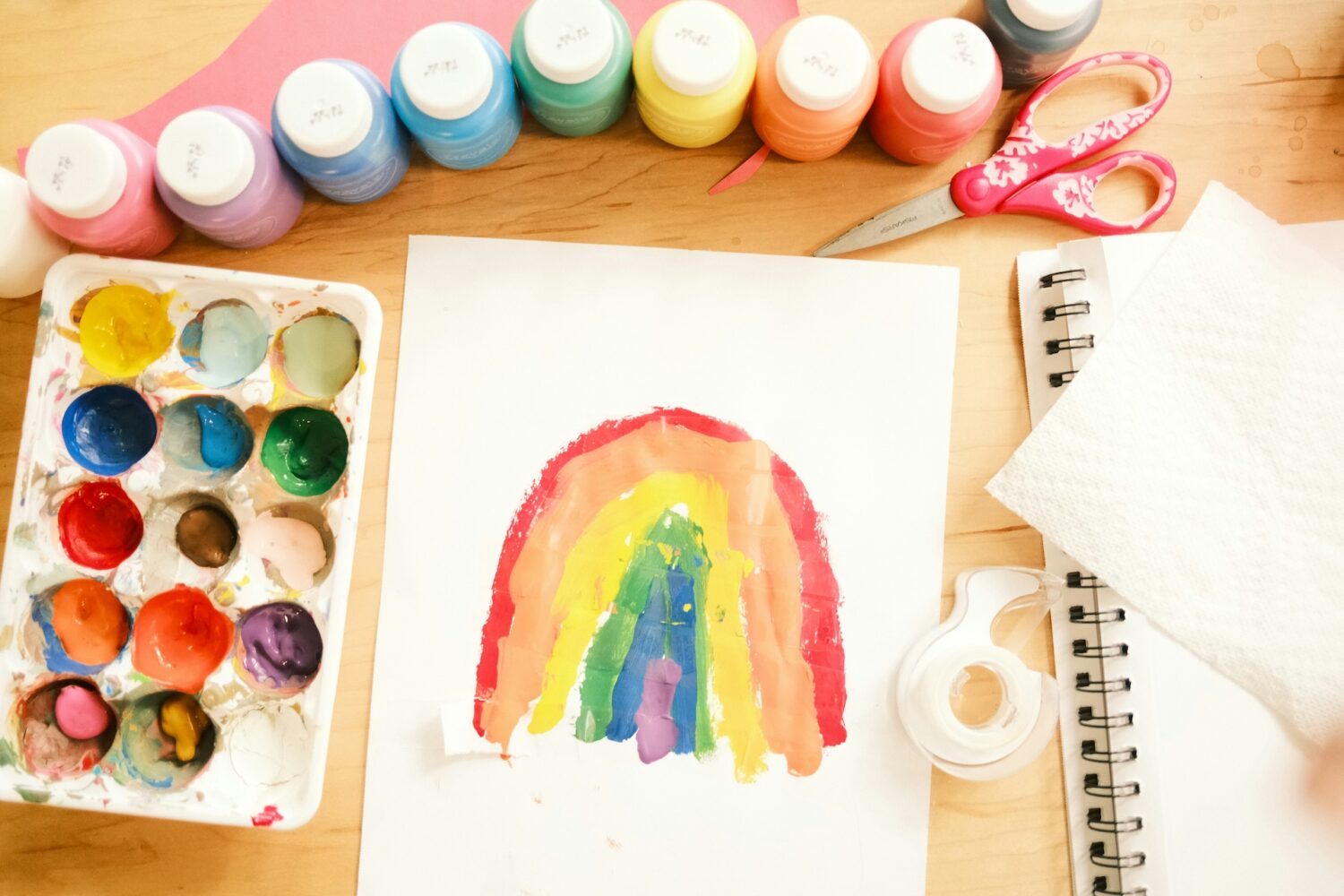
Every parent ends up with dozens of paintings, but usually only a handful actually stand out as a particular memory rather than a generic piece of nursery artwork.
A simple rule that works well for many families is to keep one representative item per milestone rather than every version of it: one first outfit rather than a whole newborn wardrobe, a small selection of artwork rather than every page that’s ever come home in a school bag.
This keeps a collection meaningful rather than overwhelming, and it’s one of the simplest keepsake storage ideas for families who feel they’re drowning in boxes. It also makes storing children’s keepsakes far more manageable in the years that follow.
Almost anything you decide to keep, from clothing and trophies to boxed photographs and school certificates, can go into a storage unit without any issue.
The only things worth being mindful of are anything damp, perishable or hazardous, which aren’t appropriate for any storage unit regardless of sentimental value.
Organising and Categorising Keepsakes for Future Access
Once you know roughly what you’re keeping, the next challenge is making sure it stays findable.
Organising children’s keepsakes only works long-term if there’s some logic behind how a memory box for kids is put together in the first place.
Sort by child, not by item type
Rather than mixing everything into one shared collection, give each child their own labelled box or set of boxes.
This matters more than it might seem, particularly in larger families, where items can otherwise become impossible to untangle once several children’s belongings end up mixed together.
A box that clearly belongs to one child means nothing gets lost, swapped or forgotten when it comes time to hand things over years later.
Break it down further by age or stage
Within each child’s collection, it helps to split things further: early years, primary school, secondary school.
This means a specific memory can be found without digging through an entire childhood’s worth of belongings to get to it.
Clear, dated labelling matters here too.
A box that simply says “keepsakes” is far less useful ten years from now than one labelled “Year 3 to Year 6, school reports and certificates.”
Keep a simple inventory
A short list, written or digital, of what’s inside each box makes a genuine difference once a family has built up several years of collections.
It means a specific christening gown or a particular birthday card can be located in minutes rather than working through every box in storage, and it’s one of the easiest keepsake storage ideas to put in place from the very start.
It’s a small extra step, but one that pays off every single time you actually need to find something.
Protecting Keepsakes for the Long Term
Organising keepsakes for future access is only half the job.
Preserving childhood memories properly means paying attention to how items are packed, not just where they end up.
Paper items such as school reports, cards and certificates should be kept away from damp and direct sunlight, both of which cause fading and deterioration over time. For anything particularly important, acid-free tissue or sleeves are worth the small extra cost, since they help prevent yellowing and brittleness far better than ordinary paper or plastic.
Fabric items like a christening gown or a favourite baby blanket should be clean and fully dry before they’re packed away. Breathable containers work far better than airtight plastic ones, which can trap moisture and encourage mould over time without anyone noticing until it’s too late.
It’s also worth avoiding stacking anything delicate underneath heavier boxes, since crushing and pressure can cause slow damage that isn’t obvious until years later.
Our shop stocks sturdy boxes and other suitable packing materials, so keepsakes can be protected properly from the start rather than packed away in whatever’s left over from the recycling bin.
Why Loft and Garage Storage Often Falls Short
Lofts and garages are useful for plenty of things, but they’re rarely the right environment for anything irreplaceable.
Temperature swings between summer and winter can warp wood and fade photographs, while damp and pests are common problems in both spaces, particularly for anything left untouched for long periods.
There’s also a simpler issue: items stored out of sight for years tend to be forgotten about altogether, which somewhat defeats the purpose of keeping them in the first place.
A box shoved behind the Christmas decorations rarely gets revisited, however carefully it was packed.
This is where self storage offers a far better middle ground for anyone working out how to store keepsakes long-term. A clean, dry, secure unit protects keepsakes properly while keeping them far easier to locate and access than anything buried at the back of a garage.
How Self Storage Helps Families Protect Memories Without Losing Space
For growing families, keepsakes often end up competing directly with everyday belongings for space, and it’s usually the sentimental items that lose out, pushed into whatever gap is left rather than stored somewhere suitable.
Self storage removes that trade-off altogether.
Keep every child’s collection intact
A personal storage unit lets parents keep every child’s collection intact and properly organised, without turning a spare room, loft or garage into an overflow archive.
It’s a straightforward way of storing children’s keepsakes without any of it eating into everyday living space.
Rolling contracts mean families aren’t paying for more space than they currently need, and can adjust as a collection grows over the years, particularly useful for households where a second or third child means twice or three times the keepsakes to store.
Sizing and moving made simple
If you’re not sure how much room you’ll need, the interactive storage planner makes it straightforward to work out roughly the right size unit, whether that’s a small space for one child’s early years or something larger for a full family’s worth of memories collected over time.
For anything bulkier, an old cot kept as a keepsake, a trophy cabinet, or several boxes at once, the free van and driver service takes care of the move without the hassle of hiring a van or asking favours.
Building on our other family storage advice
This approach follows on from the sorting principles covered in our guide to what to keep, throw away or store when it comes to children’s belongings more generally, and picks up from where our advice for new parents making room for a baby leaves off, once those early keepsakes need a proper long-term home.
Give Your Family’s Memories the Space They Deserve with Apex Self Storage
Working out how to store keepsakes long-term doesn’t need to mean losing living space at home or leaving precious items to deteriorate in a loft.
With a bit of sorting, clear labelling and the right protection, a family’s memories can stay organised, safe and easy to find for years to come.
Apex Self Storage offers clean, secure personal storage across seven locations in Ardwick, Cheadle, Congleton, Glossop, Hulme, Radcliffe and Warrington, with 24-hour CCTV and fully insured units, so families across Greater Manchester and the North West can store what matters most with confidence.
Our on-site teams are always happy to help you work out the right size and setup for your family’s keepsakes.
Get a free, no-obligation quote today and give your family’s memories the space they deserve.