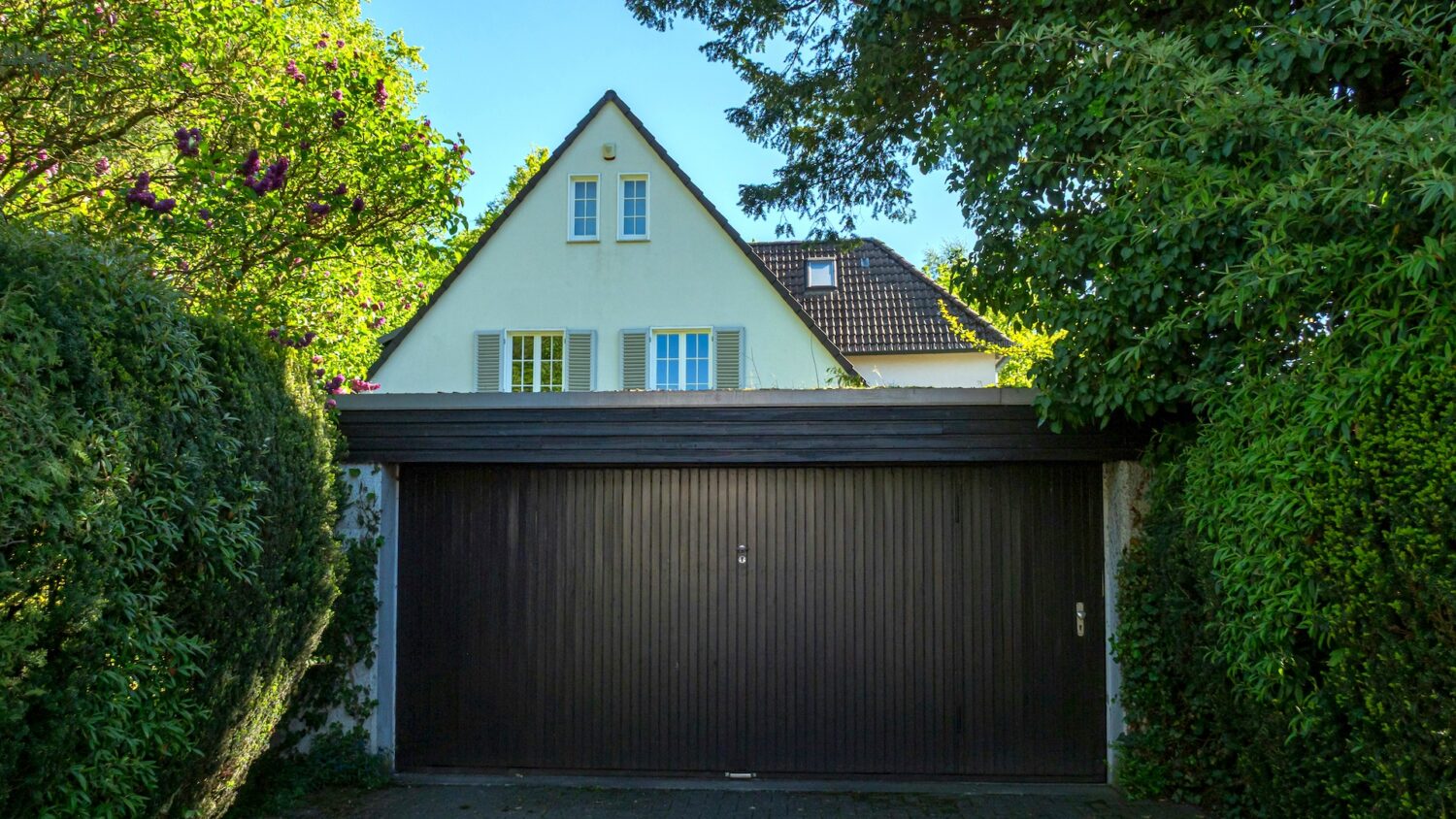
Just Another Storage Room? How to Reclaim Your Garage with Smarter Storage
16 / 10 / 26
Ask most people what is in their garage and the honest answer is a bit of everything.
Garden tools, a bike nobody has ridden since lockdown, boxes from the last house move, a chest of drawers that was too good to throw away, and somewhere underneath it all, the lawnmower.
Research from RAC Home Insurance found that 53% of drivers with a garage never park their car in it, and 68% of those said the reason was that the garage was too full of other things. More than eight in ten described their garage as additional storage.
So if you have ever stood in the doorway asking yourself, “Can I use my garage for storage and still get the car in?”, you are in very good company.
At Apex Self Storage, a garage that can no longer be walked into is one of the most common reasons people get in touch with us.
This guide covers what a garage is good at storing, what it is not, why it fills up so quickly, and how moving the things you rarely use into a storage unit can give you back a room you will actually use.
Can I Use My Garage for Storage?
Yes, and most households already do.
A garage is a sensible home for anything built to cope with the outdoors. Where it gets more complicated is deciding a) which belongings a garage will look after and b) which ones it will slowly damage.
What a garage handles well
Most garage storage ideas start with the items that genuinely belong there: garden tools, DIY kit, bikes and scooters, the lawnmower, outdoor toys, bins and car care products.
These are things that get used regularly, need to be close to the drive or the garden, and will not suffer from a cold night or a damp week in November.
If an item fits that description, the garage is the right place for it, and the aim is to give it a proper spot on a shelf or hook rather than leaving it on the floor.
What not to store in a garage
Most garages are not insulated the way the rest of the house is, so the temperature rises and falls with the weather and condensation forms on cold walls and floors.
Over a few months, that combination of cold and damp can warp wooden furniture, leave mould on mattresses and soft furnishings, curl paperwork and photographs, and cause condensation inside electronics. Clothing and fabrics also attract moths and mice, both of which find their way into a garage far more easily than into the house.
The way lofts and garages treat belongings over autumn and winter is a big part of why so many items come out of the garage in spring looking worse than when they went in.
Security is the other consideration.
Garage doors are often the easiest way into a property, and the RAC’s advice following its research was that anything kept in a garage needs to be properly covered by home insurance.
The good news is that our units at Apex Self Storage are protected by monitored CCTV, fire and intruder alarms and access control systems, with your own padlock on the door, which is a level of security very few home garages come close to.
Why Garages Become Overcrowded
Most garages fill up gradually, through dozens of small decisions made on busy days when the easiest thing to do with an item is just to put it somewhere out of sight.
The RAC research gives a good picture of what ends up in there. DIY tools and materials were found in 90% of garages, gardening tools and garden furniture in 74%, bikes and scooters in 55%, and camping equipment in nearly a quarter.
Beyond the everyday kit, the same patterns come up again and again with customers at our sites:
- Boxes from a house move that were never unpacked
- Furniture in limbo, such as an old sofa, a spare bed or pieces inherited from a relative
- Seasonal items, from Christmas decorations to paddling pools
- Baby and toddler equipment being saved for a younger sibling
- Hobby gear that comes out a few times a year
- Things kept “just in case”
None of these are things people want to get rid of.
But the trouble is that each one takes a little more floor space until the car is on the drive for good and the garage door only opens halfway.
How Moving Rarely Used Items Into Storage Frees Up Your Garage
Clearing a garage is far easier with a simple rule for what stays and what goes.
Sort everything into four groups
The quickest way to declutter your garage is to pull everything out onto the drive on a dry weekend and sort it into four piles:
- Daily and weekly use: Tools, bikes, bins and the mower
- Seasonal: Garden furniture, Christmas decorations, camping kit and summer toys
- Rarely used but worth keeping: Spare furniture, children’s things being saved, and hobby equipment you return to now and then
- Ready to go: Anything broken, outgrown or forgotten, to sell, donate or recycle
The first pile goes back into the garage and the last pile leaves for good, which leaves the two in the middle. These are the belongings that take up the most room while being used the least, and they are exactly what a storage unit is for.
What to move into a storage unit
At this time of year, garden furniture is the obvious place to start.
Cushions, parasols and wooden sets all fare better somewhere dry over the colder months, and there is more detail on storing garden furniture over winter if you are packing up a full patio set.
Spare furniture, boxed-up baby equipment, camping gear and hobby kit all follow the same logic. Christmas decorations can sit in the unit for eleven months of the year and come home for December, rather than spending most of the year completely blocking a garage shelf.
A personal storage unit from Apex Self Storage has a minimum stay of just one week, and you can move to a larger or smaller unit if your needs change, so the space grows or shrinks with what you are keeping.
What has to stay out of storage
Garages are also where most households keep petrol, paint thinners, gas bottles and garden chemicals. Storage units cannot accept combustible materials or hazardous chemicals, so these need to stay at home in a safe, ventilated spot or go to your local recycling centre.
If you are storing a lawnmower or other garden machinery, drain the fuel first and remove any batteries. It’s worth checking what can and cannot go into a storage unit before you start packing.
Getting everything to the unit
Working out how much space you need is the part most people find hardest, because a garage tends to hold more than it looks.
Our interactive storage planner lets you add the items you plan to store and suggests a unit size, and there is further advice on choosing the right unit size if you are deciding between two.
If you are moving into a unit of 25 sq ft or larger, our free van and driver service will bring one van load of your belongings to your chosen location at no extra cost. You can also pick up boxes, furniture covers and padlocks from our shop so everything is protected before it leaves the drive.
Garage Conversion Ideas for a More Useful Space
Once the floor is clear, the garage becomes a room with options, and there are more ideas for making the most of your garage space if you want further inspiration. These are some of the most popular ways to use it.
A home gym
A garage suits a home gym because the floor is solid concrete and there is nobody downstairs to hear dropped weights. Rubber floor tiles, a wall-mounted rack and a fan or dehumidifier for ventilation are usually enough to get started.
A workshop or hobby space
A workbench along the back wall, a pegboard for tools, and better lighting turn a cleared garage into a proper space for woodwork, bike maintenance or upcycling furniture.
A home office or studio
With some insulation, heating and good lighting, a garage can become a quiet place to work away from the rest of the household. If you are setting up a home office for the first time, clearing the space comes before choosing the desk.
A base for a small business
Plenty of online sellers start out with a packing station in the garage. Once stock outgrows the shelves, it can move into a unit while the garage stays as the workspace, which is how many customers have handled growing a side hustle into a business.
A utility and boot room
Coats, muddy boots, a second freezer, the washing machine and the recycling all fit well in a garage, freeing up the hallway and kitchen in the process.
Or simply somewhere to park the car again
A garaged car is out of sight, out of the weather and free of frost on winter mornings. If you start parking in the garage again, it is worth letting your insurer know.
Do you need planning permission to convert a garage?
According to the Planning Portal, planning permission is not usually required when the work is internal and does not enlarge the building. Turning a garage into habitable space, such as a bedroom or a heated office, will normally need building regulations approval.
Some properties have had their permitted development rights removed, particularly on newer housing estates and in conservation areas, so check with your local council before any building work starts. Using the garage as a gym or workshop without structural changes is a much simpler undertaking.
Storage or an Extension? Comparing the Costs
When a house starts to feel too small, an extension is often the first idea, and it is also the most expensive one.
The Federation of Master Builders puts the average single-storey extension at between £1,800 and £3,000 per square metre, and most single-storey builds take three to four months on site, before design, approvals and decorating are added.
A storage unit works on a very different scale. At Apex Self Storage, the minimum stay is one week, and you only need to give 14 days’ notice when you are ready to leave. Paying six or 12 months up front also brings a 5% or 10% discount.
An extension makes sense if your household needs another room, while storage is the lower-cost answer when the rooms you already have, garage included, are being crowded out by things you rarely use. We break down the numbers in more detail when comparing self storage with an extension or a bigger home, and if you have never rented a unit before, how self storage works is simpler than most people expect.
Keeping Your Garage Clear Once It’s Sorted
A cleared garage stays that way with a few habits.
Give every item a zone, with the things you reach for most often closest to the door. Use the walls for shelving and hooks so the floor stays free, and follow a one-in, one-out rule for anything new that arrives.
A seasonal swap twice a year keeps everything moving. Garden furniture and summer kit go into the unit in autumn, and Christmas decorations come home in December, then the process reverses in spring.
Reclaim Your Garage with Apex Self Storage
At Apex Self Storage, we help households across Greater Manchester and the North West get their garages back every year, so they can be used as gyms, workshops, offices or simply a place to park the car.
Our clean, secure units are available across seven locations in Ardwick, Cheadle, Congleton, Glossop, Hulme, Radcliffe and Warrington, so there is always a site close to home. Every unit is monitored by 24-hour CCTV with secure access controls, and our friendly on-site teams are on hand to help you choose the right size.
Flexible rolling contracts mean you only pay for the space you need, for as long as you need it, and our free van and driver service takes the heavy lifting out of moving in.
Get a free, no-obligation quote today and turn your garage back into a room you actually use.