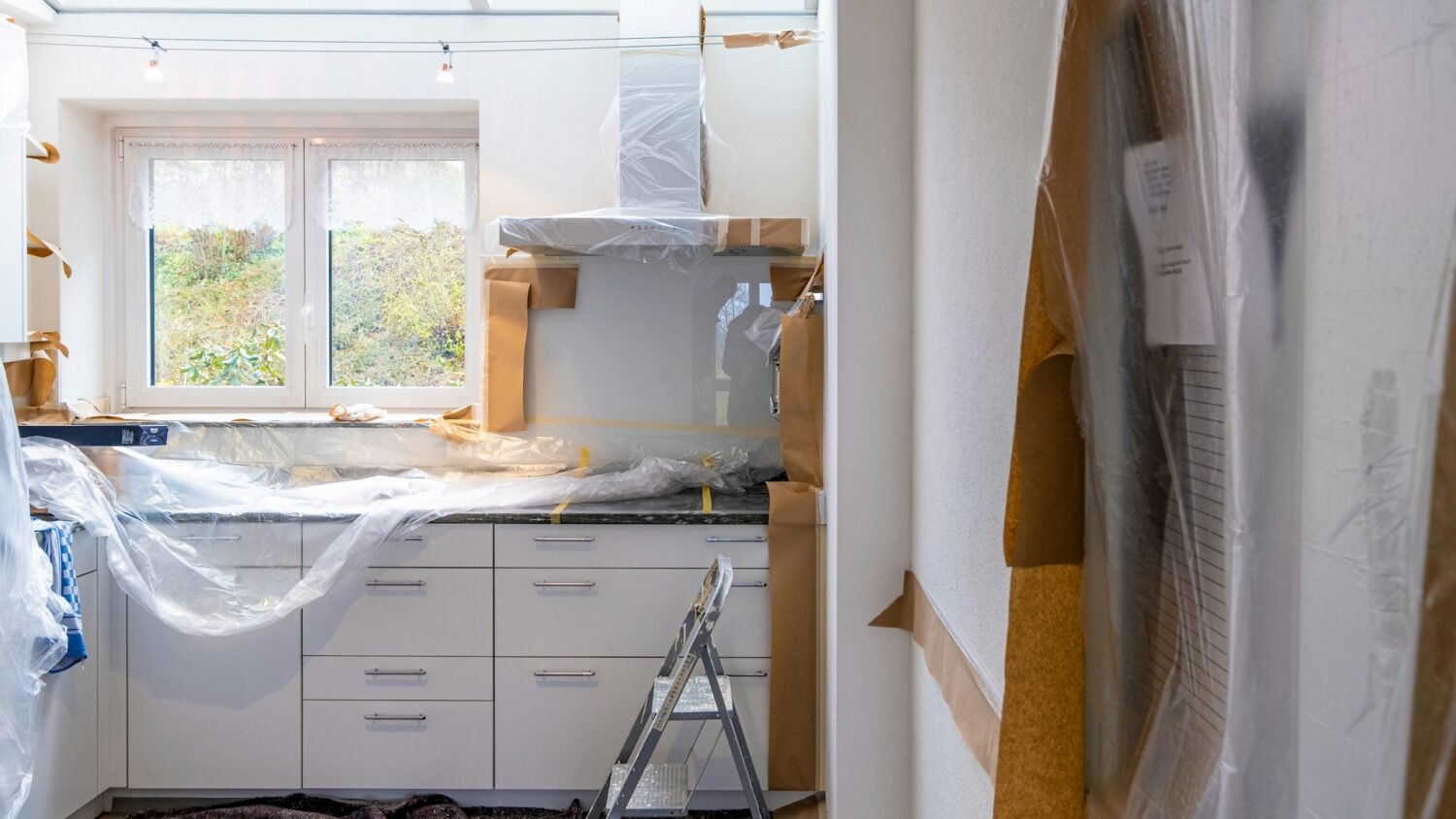
Preparing for Winter Renovations: Why Temporary Storage Saves Time
19 / 10 / 26
Once the clocks go back and the garden stops demanding attention, attention turns indoors.
The bathroom that has needed refitting for three years, the carpets that have seen better days, the spare room that still has last decade’s wallpaper: winter is when a lot of households finally book the work in.
What most people underestimate is how much of a renovation is spent working around furniture. A room full of belongings is slower to work in, harder to keep clean and far more likely to see something scratched, chipped or covered in plaster dust before the job is finished.
Planning storage for home renovation work before the first tradesperson arrives is one of the simplest ways to keep a project on schedule.
At Apex Self Storage, we help households across Greater Manchester and the North West clear the decks before building work starts, and this guide covers why it makes such a difference, which winter projects benefit most, and how to fit a storage unit into your renovation plan.
Why Clearing Rooms Makes Renovations Run Faster
An empty room is the starting point most tradespeople would choose if they could. When they cannot have one, part of every working day goes on moving things out of the way.
Trades work faster in an empty room
Plasterers, decorators, kitchen fitters and flooring teams all need clear access to walls and floors.
If a sofa has to be shuffled from one side of the room to the other so each wall can be plastered in turn, the job takes longer.
Many trades charge by the day, so any time spent shifting furniture is time you are paying for.
Fewer delays and less accidental damage
Every time a piece of furniture is moved in a working room, there is a chance of it being knocked, scraped or set down on something it should not be. A dining table under a dust sheet in the corner of a kitchen refit is still in the way, and still at risk.
Arranging storage during renovation work takes it out of the house altogether, which removes both problems at once.
A safer space for everyone
Renovations bring tools, cables, offcuts and dust sheets into the home.
Furniture pushed into walkways adds trip hazards for the people doing the work and for anyone living around it, particularly in homes with young children or pets.
So, do you need to empty a room before decorating?
For a quick refresh of one wall, probably not. For plastering, new flooring or a full refit, clearing the room makes the work quicker, cleaner and safer.
Winter Renovation Projects Where Storage Helps Most
Winter suits indoor work, and MoveIQ points to jobs such as bathroom remodels, replacing doors and skirting, and knocking through internal walls as good projects for the colder months.
It also notes that bad weather can hold up deliveries, which is worth keeping in mind when planning how long belongings will need to be out of the house.
These are the winter renovation projects where temporary storage tends to save the most time.
Kitchen refits
A kitchen holds more than most people realise: appliances, crockery, pans, small electricals, food and often a dining table and chairs.
All of it needs somewhere to go while units are ripped out and fitted.
Timing matters here too. MoveIQ advises against starting a new kitchen in the run-up to Christmas if you are hosting, so a January start is often the more realistic plan. There is more advice on managing a kitchen renovation if this is the project on your list.
Bathroom refits
A bathroom has less furniture to move, but removing old tiles and plaster creates a surprising amount of dust, and it travels through the house. Bedroom furniture and soft furnishings in neighbouring rooms are often the first to suffer.
New flooring and carpets
Flooring is the project where storage makes the biggest difference.
The entire floor must be clear before fitting can start, and when carpets or floorboards run through several rooms, that can mean emptying half the house at once.
Plastering and redecorating
Sanding and plastering produce fine dust that settles into upholstery, curtains and electronics. Plaster and paint also take longer to dry in cold, damp conditions, so rooms tend to stay out of use for longer in winter than they would in summer.
Loft conversions, insulation and heating upgrades
Before a loft can be converted or insulated, everything stored in it has to come out, which is often decades of boxes with nowhere obvious to go.
Radiator replacements and new heating systems can also mean lifting floorboards and moving furniture away from walls throughout the house.
Knocking through for open-plan living
Structural work creates the most dust and the longest timelines of any interior project. Belongings in the rooms being joined, and often the rooms on either side, are best moved out for the duration.
How to Protect Furniture and Valuables From Dust and Damage
Of course, moving belongings out is only half the job. How they are prepared, and how you protect what stays behind, makes just as much difference.
Decide what goes and what stays
Large furniture, rugs, artwork, soft furnishings, electronics and boxed belongings from the rooms being worked on are the obvious candidates for storage. Everyday items you will need over the coming weeks stay at home, kept together in one room that is not part of the work.
Packing items for storage
Clean and dry everything before it is packed, take furniture apart where possible, and keep screws and fixings in a labelled bag taped to the piece they belong to. Wrap corners and legs, and use proper covers rather than old bedding.
Our shop stocks furniture covers, bubble wrap and boxes, and there is further advice on packing fragile items such as glassware and mirrors. Avoid sealing upholstered furniture in plastic for weeks on end, since trapped moisture can lead to mildew.
Protecting what stays in the house
Anything that cannot be moved needs to be covered with dust sheets and, where possible, sealed in with tape. Keep doors closed to rooms that are not being worked on, and ask your contractor about sealing doorways with plastic sheeting during the dustiest stages.
Why the garage is not the answer in winter
Moving everything into the garage or shed can seem like the easy option, but cold, damp and condensation can warp wooden furniture, mark fabrics and damage electronics over a few weeks. There is more on how garages over winter affect belongings if you are weighing up the options.
Keep an inventory
A simple list of what has gone into storage, with photos of anything valuable, makes it easier to check everything when it comes home.
A storage inventory also helps when you need to find one particular item halfway through the project.
Check your insurance
Everyone storing with Apex Self Storage needs insurance in place, either through us or through their own policy. Home contents policies often cover only a small proportion of goods kept away from the home, so it is worth reading up on storage insurance before you move anything.
Know what cannot go into storage
Renovations produce leftover paint, white spirit, adhesives and gas canisters, and none of these can go into a storage unit. Keep them at home in a safe, ventilated place or take them to your local recycling centre, and check the full list of items to avoid before packing.
Making Storage for Home Renovation Part of Your Plan
The households that find renovations least stressful usually treat storage as part of the project plan rather than something sorted out the night before the builders arrive.
Book before the trades arrive
Aim to have belongings moved out a few days before work begins, so the first morning is spent renovating rather than clearing rooms. Most of our sites can move you in the same day if a unit is available, but booking ahead gives you the widest choice of sizes.
Choose the right unit size
Our storage planner lets you add the furniture and boxes you plan to store and suggests a unit to suit, and there is further guidance on choosing the right unit size. If the project grows, you can move to a larger unit without notice, subject to availability.
Allow for winter overruns
Weather, delivery delays and the occasional surprise behind a wall can all push a winter project back. Storage for home renovation work needs to bend with that, and, with Apex Self Storage, you can extend for as long as you need – we only ask for 14 days’ notice when you are ready to leave.
Bring things back room by room
There is no need to bring everything home on the same day.
Furnishing finished rooms first while work continues elsewhere keeps the newly decorated spaces clear of dust and gives you time to decide what goes where.
Getting everything to the unit
If you are moving into a personal storage unit of 25 sq ft or larger, our free van and driver service will bring one van load of your belongings to your chosen site at no extra cost, which saves hiring a van in the middle of an already busy week.
Renovate This Winter with Apex Self Storage
At Apex Self Storage, we help homeowners across Greater Manchester and the North West keep their belongings safe while kitchens, bathrooms, floors and lofts are being turned into the rooms they have been planning for.
Our clean, secure units are available across seven locations in Ardwick, Cheadle, Congleton, Glossop, Hulme, Radcliffe and Warrington, so there is always a site close to the project. Every unit is protected by monitored CCTV, fire and intruder alarms and access control, and our friendly on-site teams are on hand to help you choose the right size.
Flexible rolling contracts mean you only pay for the weeks your renovation actually needs, and our free van and driver service takes the heavy lifting out of moving in.
Get a free, no-obligation quote today and give your winter renovation the clear space it needs.