How to Pack Fragile Items for Long-Term Storage
12 / 01 / 26
When it comes to moving house, decluttering, or simply clearing out space for a home renovation, some items are easier to handle than others. Tossing a bag of old clothes into a box is one thing, but when you are dealing with your grandmother’s Victorian tea set, a high-end OLED television, or irreplaceable family heirlooms, the stakes are much higher.
Packing for long-term storage is an entirely different beast compared to a standard house move. While a quick trip in a removal van requires basic protection, items sitting in a storage unit for months or even years need a strategic approach to ensure they emerge in the same condition they went in. At Apex Self Storage, we provide the secure, clean, and dry environment your belongings deserve, but the first line of defence always starts with how you pack.
In this guide, we will explore the professional secrets to packaging for fragile items, ensuring your most delicate possessions remain safe and sound throughout their stay with us.
Start With the Right Packaging for Fragile Items
The biggest mistake people make when preparing for storage is trying to save money on packing materials. While it is tempting to pick up free boxes from a local supermarket, these are often thin, single-walled containers that have already been weakened by moisture or heavy use. For fragile items, these boxes are a liability; they can collapse under the weight of other items or fail to protect against minor bumps.
Quality over everything
For long-term peace of mind, you need double-walled corrugated cardboard boxes. These provide a much-needed buffer against external pressure.
At Apex Self Storage, we understand that finding the right supplies can be half the battle. That is why we offer a comprehensive range of professional-grade packaging for fragile items at our shop, including sturdy boxes, bubble wrap, and specialist tape designed to stay sticky for the long haul.
The essential toolkit
Before you begin, ensure you have the following supplies to hand:
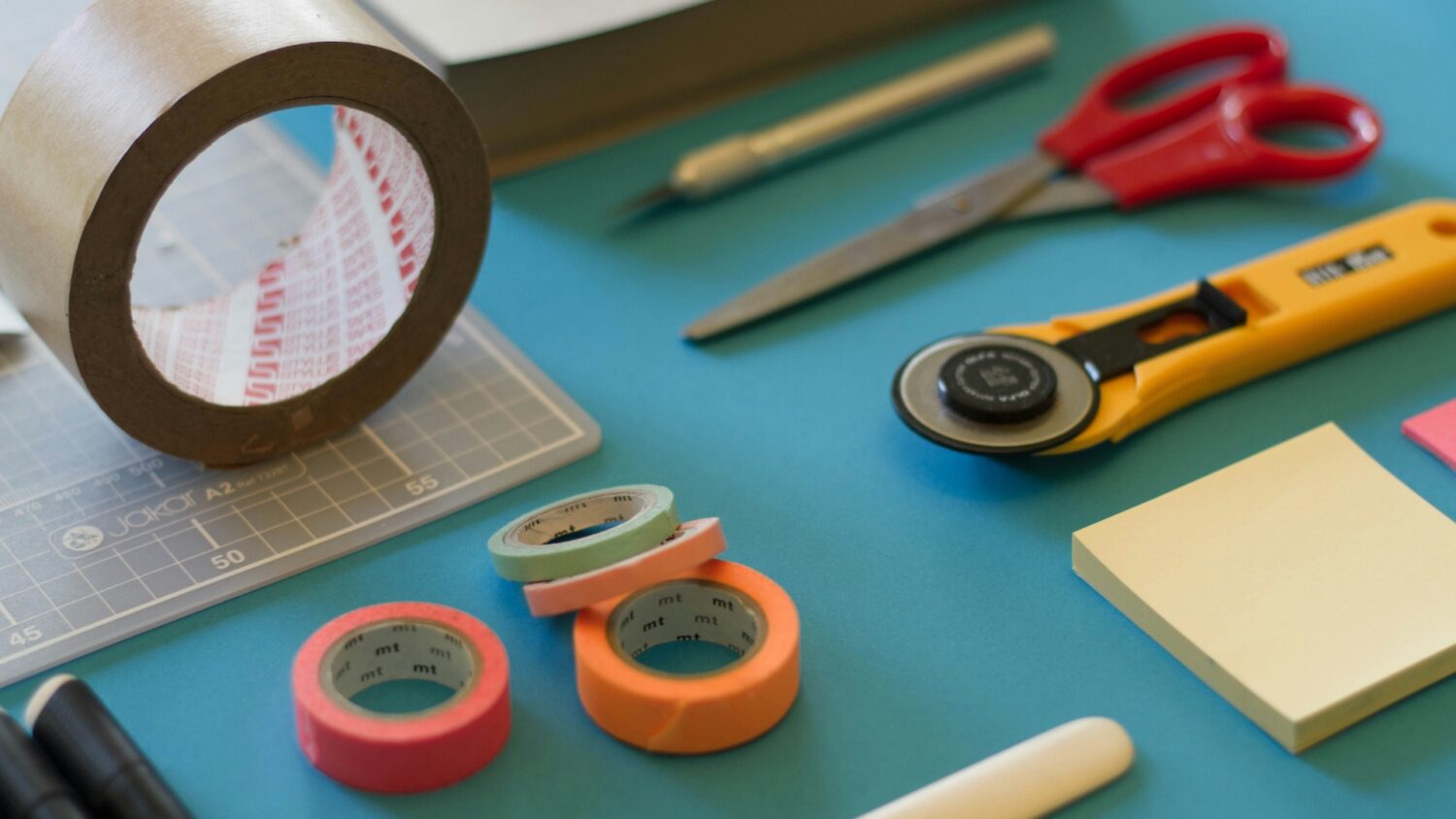
- Bubble wrap: The gold standard for cushioning.
- Acid-free tissue paper: Essential for heirlooms and silver to prevent tarnishing or yellowing.
- Packing peanuts or crumpled paper: To fill the “voids” in your boxes.
- Strong packing tape: Avoid masking tape, which dries out and peels off over time.
- Marker pens: For clear, bold labelling.
Expert Packing Techniques for Specific Belongings
Different fragile items require different methods of protection. Whether it is a piece of tech or a piece of history, here is how to handle the “big three” categories of delicate goods.
Glassware, ceramics, and kitchenware
Glass is inherently brittle, and the primary cause of breakage in storage is “clatter” — items knocking against each other inside a box.
- Individual wrapping: Every single glass, plate, and saucer must be wrapped individually in bubble wrap or packing paper. Never let glass touch glass.
- Cell dividers: For stemware and vases, use cardboard cell dividers. These keep items upright and prevent them from shifting.
- The “heavy to light” rule: Always place the heaviest ceramic plates at the bottom of the box and the lightest glassware at the top.
- Edge protection: Plates should actually be stored on their edges rather than flat, as they can withstand more pressure this way.
Electronics and high-end technology
Electronics are not just fragile because of their screens; their internal components are sensitive to static and movement.
- Anti-static wrap: If you no longer have the original box, use anti-static bubble wrap to prevent electrical discharge.
- Screen protection: For monitors and TVs, place a piece of non-abrasive foam or a soft blanket over the screen before wrapping it in heavy-duty cardboard.
- Cable management: Untangle cables, secure them with cable ties, and tape them to the device they belong to.
- Remove the batteries: This is a vital long-term storage tip. Batteries can leak and corrode over time, potentially destroying your device from the inside out.
Precious heirlooms and sentimental antiques
Heirlooms are often “close to the heart,” meaning their value is far beyond their price tag.
- Use acid-free materials: Standard newspaper contains acid that can leach into old photographs or delicate fabrics, causing permanent staining. Always use acid-free tissue paper for these items.
- Furniture protection: For antique wooden furniture, avoid wrapping it tightly in plastic, as wood needs to “breathe.” Instead, use breathable fabric furniture covers or old cotton sheets, then wrap the corners in bubble wrap for impact protection.
- Over-padding: When it comes to antiques, “enough” padding is never enough. Use extra layers of cushioning to ensure no part of the item is exposed.
The Golden Rules of Boxing and Sealing
Once your items are wrapped, how you place them in the box is the final hurdle.
The base and top layer
Never place a fragile item directly onto the bottom of a cardboard box. Start by creating a 2-to-3-inch “shock absorber” layer using crumpled packing paper or packing peanuts. Do the same at the very top of the box before you seal it. This ensures that if the box is dropped or tipped, the item inside never hits a hard surface.
The “shake test”
This is a professional trick used by removal experts. Once you think a box is packed, close the lids (don’t tape them yet) and give the box a very gentle shake. If you can hear or feel anything shifting, you need more padding. A perfectly packed box of fragile items should feel like a single solid unit with zero movement inside.
Strategic labelling
It seems obvious, but many people forget to be specific with their labels. Don’t just write “Fragile.” Write “Fragile – Kitchen Glassware – Top of Pile” or “Fragile – Electronics – Do Not Stack.” Mark at least three sides of the box and clearly indicate which way is up with arrows.
Placing Your Items in Your Apex Self Storage Unit
The way you arrange your unit is just as important as the way you pack your boxes. Even the best-packed box can fail if it is placed under a heavy sofa or in a precarious position.
Weight distribution and height
Always follow the laws of physics: heavy, sturdy boxes at the bottom, and fragile, lighter boxes at the top. Never stack more than three or four boxes high if they contain delicate items, even if they are double-walled.
Create a walkway
When you are moving items into your Apex Self Storage unit, it is tempting to just fill the space from back to front. However, creating a small walkway allows you to access items without having to move (and potentially drop) fragile boxes later on.
Use the right tools for the job
Visualising how your items will fit can be difficult. To avoid “cramming” items, which is a leading cause of breakage, use our Apex Storage Planner. This tool helps you estimate exactly how much space you need, ensuring you don’t have to stack your fragile items too high or squeeze them into a space that is too small.
Secure Storage You Can Trust
At Apex Self Storage, we know that the items you put into storage represent your life, your memories, and your hard work. That is why we offer more than just a room; we offer a commitment to security and cleanliness across all our UK locations.
While you take care of the intricate details of packaging your fragile items, we take care of the rest. Our units are designed to be highly secure, providing the stable environment necessary for long-term preservation.
Whether you are looking for a small unit for a few boxes of valuables or a larger space for an entire household of furniture, our personal Storage solutions are flexible and affordable.
Ready to start your storage journey? Visit us today or get an online quote to see how Apex Self Storage can help you protect what matters most.